
Introduction
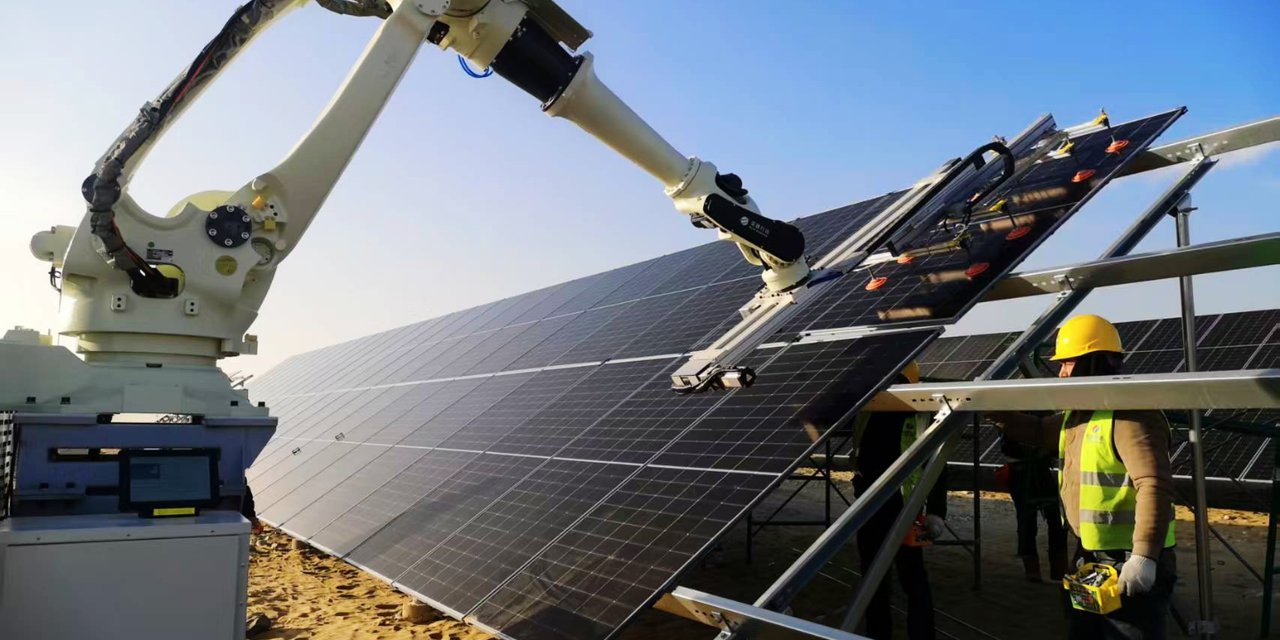
The global demand for renewable energy is accelerating, and utility-scale solar farms are becoming larger and more complex.
However, the rapid expansion of solar projects has created a new challenge for the industry: construction efficiency and labor availability.
Traditional solar installation still relies heavily on manual labor for module handling and installation. As projects scale to hundreds of megawatts or even gigawatt levels, EPC contractors need smarter and more efficient construction solutions.
Robotics and AI are emerging as key technologies to transform the future of solar farm construction.
The Challenges of Traditional Solar Installation
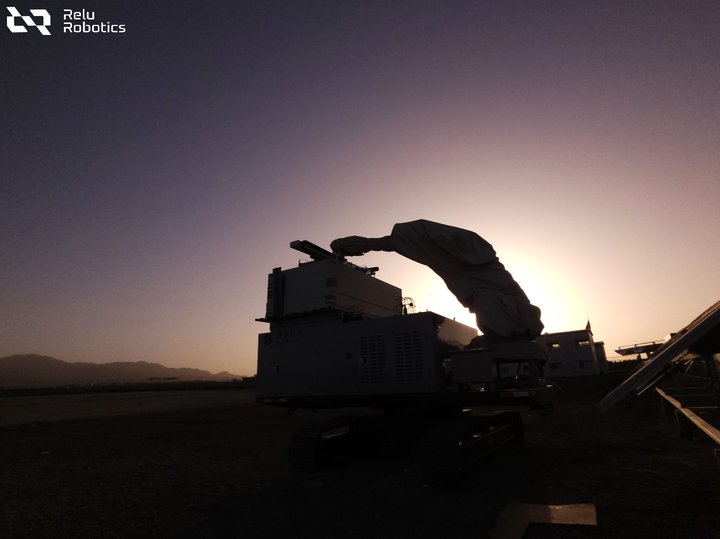
Large-scale solar projects require the installation of hundreds of thousands of photovoltaic modules. Manual installation faces several challenges:
- Labor shortages: Skilled solar workers are becoming increasingly difficult to recruit.
- Rising costs: Labor-intensive construction increases project expenses.
- Schedule pressure: Delays in installation can impact project returns.
- Harsh environments: Solar farms are often built in deserts, remote areas, and high-temperature regions.
These challenges create a strong demand for automation solutions.
How Robotics Improves Solar Construction
- Higher Productivity
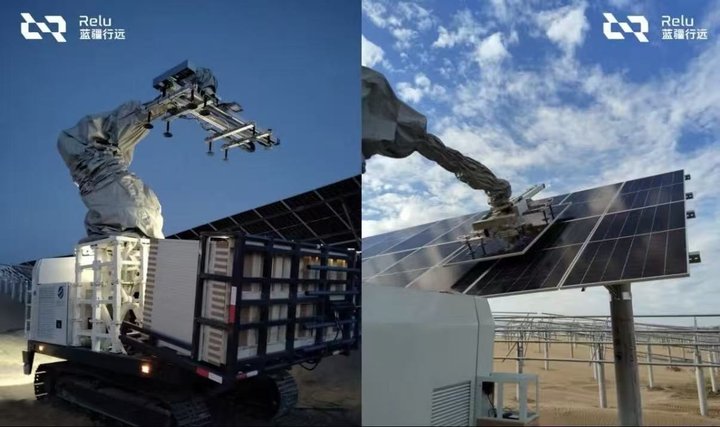
Solar installation involves repetitive tasks such as module transportation, positioning, and placement. Robots can perform these operations with consistent speed and accuracy, helping EPC contractors increase daily installation capacity.
2. Reduced Labor Dependency
Robotics does not replace human expertise. Instead, it enables a more efficient human-robot collaboration model, allowing workers to focus on supervision, quality control, and complex tasks while robots handle repetitive installation work.
3. Improved Safety and Quality
Robotic systems can reduce workers’ exposure to:
- Heavy lifting
- Repetitive physical tasks
- Extreme weather conditions
At the same time, automated installation improves consistency and reduces human error during construction.
The Future of Solar Construction
The next generation of utility-scale solar farms will require more than advanced photovoltaic technology. They will require smarter construction methods.
AI-powered solar robots combine:
- Computer vision
- Intelligent control systems
- Autonomous operation
- Specialized solar installation capabilities
These technologies enable EPC contractors to build solar projects faster, safer, and more efficiently.
Conclusion
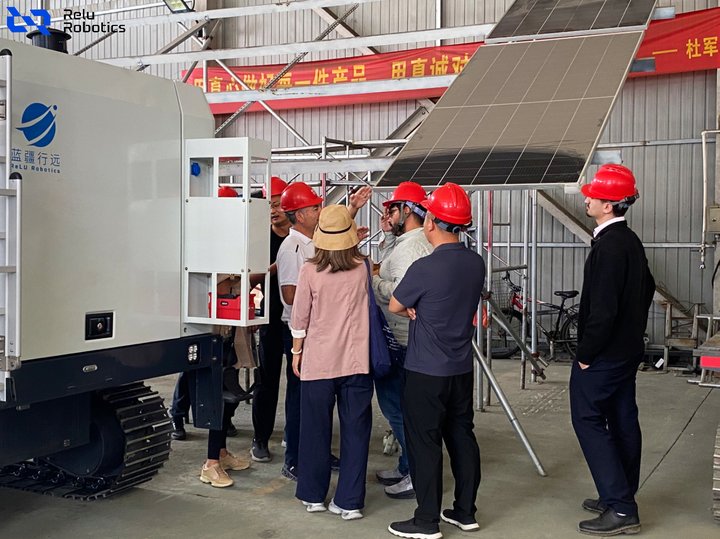
Robotics is becoming a critical technology for the next stage of solar energy development. As utility-scale projects continue to grow worldwide, automated construction solutions will help the industry overcome labor challenges and accelerate the global transition to clean energy.
The future of solar farms will not only depend on better solar panels ,it will also depend on smarter ways to build them.
Be the first to comment.